



Sustainability is no longer just about ticking compliance boxes or publishing dense ESG reports. It’s about connecting your values to your audience through emotion, creativity, and authenticity. The shift from technical reporting to storytelling reflects a broader movement where sustainability becomes a shared journey, not just an obligation.
Guy Whately from the agency Saturday – a guest speaker at Tadpole’s recent Sustainability Summit held in conjunction with ASB – believes there is a role for emotion in sustainability reporting, to shift to more of a narrative and being clear about the story we want to tell, rather than just the obvious metrics. In short, a shift from sustainability reporting to sustainability storytelling.
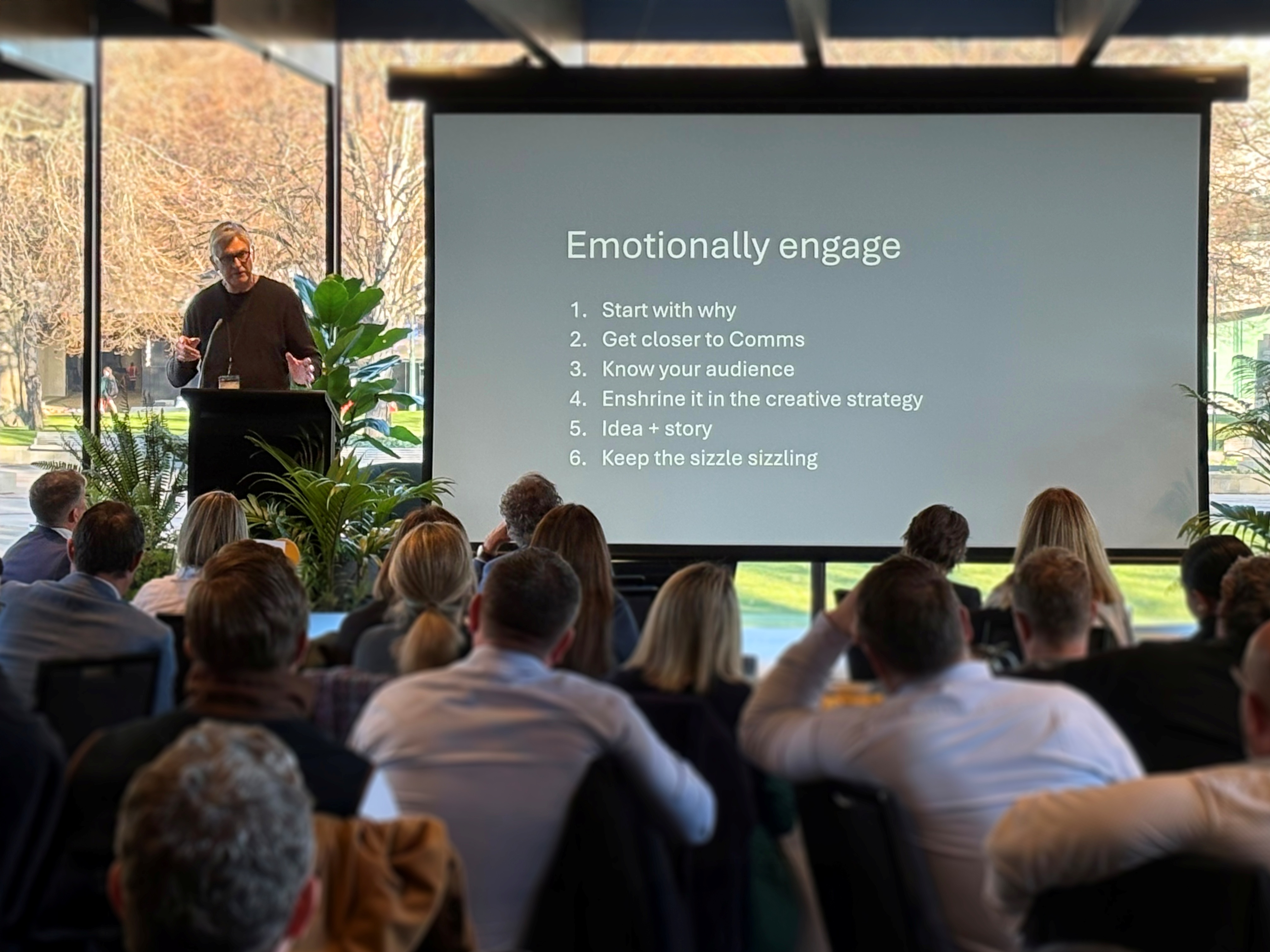
Moving beyond compliance to connection
The traditional drivers for sustainability reporting such as frameworks, disclosures, and carbon emissions tracking remain vital. Compliance ensures consistency, auditability, and progress.
But compliance alone isn’t compelling. It’s slightly bland – to the extent that many reports are looking and feeling the same.
Today’s audiences, whether investors, customers, employees, or communities, want more than numbers. They want to understand what your business believes in, how it contributes to collective change, and why it matters. This is where storytelling is pivotal.
Storytelling transforms your ESG metrics into meaning. It humanises your strategy and aligns your operations with the emotional and ethical expectations of your audience. In other words, good storytelling invites the audiences who don’t understand the metrics and frameworks, to connect and participate in your narrative, on their terms.
Five steps to create your sustainability story
1. Sustainability and communications must work together
Too often, sustainability lives in spreadsheets, while marketing lives in taglines. Different worlds, different KPIs and perspectives. Integrating the two disciplines allows you to create a cohesive narrative that is both credible and compelling.
- Bring your sustainability and communications teams closer together.
- Have one person from each team embedded into the other.
Sustainability reporting is about what you’ve done. Storytelling is about why it matters. These two elements must operate in tandem to build trust and engagement.
2. Know your audience
A one-size-fits-all message rarely works. Your sustainability story must resonate differently with investors, regulators, employees, and consumers. Seeing the world through their eyes and understanding what they care about logically and emotionally is essential.
You’ll need to balance reason (facts, metrics, frameworks) with emotion (values, people, outcomes). For example, while an investor may want to see carbon reductions over time, a consumer may be more moved by how your change in packaging materials saved marine life.
3. Define the creative strategy
Your sustainability story isn’t just an appendix to your annual report. It’s part of your brand. To make it stick, you need a creative strategy that answers key questions:
- Why are we reporting?
- What ultimately do we want to say?
- Who do we want to say it to?
- What do we want them to think and feel about us?
- How should we say it?
- Why should they believe us?
It’s an approach that becomes the foundation for campaigns, messaging, and platforms to keep your sustainability message alive year-round.
4. Lead with story and idea
Once your strategy is clear, develop the central idea that will serve as a platform for your story. This could be a theme, a metaphor, character, or visual property that ties together your sustainability communications.
The idea should show how your actions align with a broader purpose. For instance, ‘Doing what we can, where we can’ becomes a humble, relatable message that frames each sustainability initiative not as perfection, but progress.
Stories aren’t just facts. They’re journeys with stakes, setbacks, and successes. Your sustainability efforts will likely have all these elements, so find them and show them.
5. Go beyond the report
The final step is to keep your story alive after the report is published. Don’t let the ‘sizzle fizzle.’ That means:
- Turning report content into social media narratives.
- Creating short videos that spotlight individual stories or projects.
- Using real voices of employees, customers, or community partners.
- Updating stakeholders regularly with tangible progress.
Sustainability shouldn’t feel like a once-a-year thing – a report to get out. It should feel like a living commitment.
In summary
Your credibility depends on your data because frameworks with targets still play a role in guiding how you track, validate, and disclose your sustainability impact. Metrics and compliance give your report rigour and weight.
But stories give your metrics meaning and momentum. The ultimate goal isn’t just to impress, it’s to enrol others in your sustainability goals. Whether it’s your employees taking climate action, your customers making more responsible choices, or your industry peers adopting similar practices, your story should spark collective action at scale.
Key actions you can take now
To implement a sustainability strategy that combines compliance with storytelling, here are practical next steps:
- Conduct a sustainability audit by reviewing current ESG reports, metrics, and frameworks and identify gaps in both data and narrative.
- Build a cross-functional taskforce with sustainability, production, marketing, HR, operations, and legal teams together.
- Develop audience personas, research their priorities, values, and concerns around sustainability.
- Clarify your ‘why’ or belief system behind your sustainability efforts.
- Turn reports into stories. Identify 3–5 key achievements with human impact and frame them as case studies or mini-narratives. Use visual storytelling (infographics, short videos, quotes) to bring them to life.
- Publish consistently and don’t wait for the annual report. Share behind-the-scenes efforts, work-in-progress updates, and personal stories.
- Measure both reach and resonance. Track not just who sees your sustainability content, but how they engage with it. Use surveys, focus groups, and social media listening to understand what’s landing.
- Educate employees to understand and communicate your sustainability story.
Final thought, when someone hears your sustainability story, do they want to be part of it?
For support in undertaking and sharing your own sustainability journey, get in touch with Tadpole on info@tadpole.co.nz.